When homeowners and designers compare lift options, the question is practical: why choose a vacuum elevator over a traditional one? A vacuum elevator uses air pressure to move a transparent cabin through a sealed cylindrical shaft. Its compact structure can reduce construction work, especially where a masonry shaft is difficult. Many models need no deep pit or separate machine room. That can preserve floor space and simplify renovation planning. Still, “simpler” does not mean effortless. Site measurements, power requirements, door clearances, and local safety approvals require professional review.
From an installation perspective, the visual difference is immediate. A glass-like tube can bring daylight into the cabin and make movement feel less enclosed. The system may suit villas, duplexes, and small commercial properties with limited space. It also typically requires fewer structural alterations than a conventional traction elevator. However, capacity, travel height, speed, noise, and weather exposure vary by model. A supplier should provide tested specifications, maintenance procedures, emergency lowering details, and clear warranty terms. Independent inspection remains valuable.
The better choice depends on daily traffic, accessibility needs, budget, and long-term servicing. A traditional elevator may remain stronger for heavy loads and high-rise operation. A vacuum model can be compelling for low-rise access and architectural flexibility. Attractive installations can still disappoint when owners focus only on appearance. That deserves reflection. Compare lifecycle costs, not just the purchase price. Ask who will service the equipment after installation. With evidence, qualified advice, and realistic expectations, the decision becomes safer and more defensible.
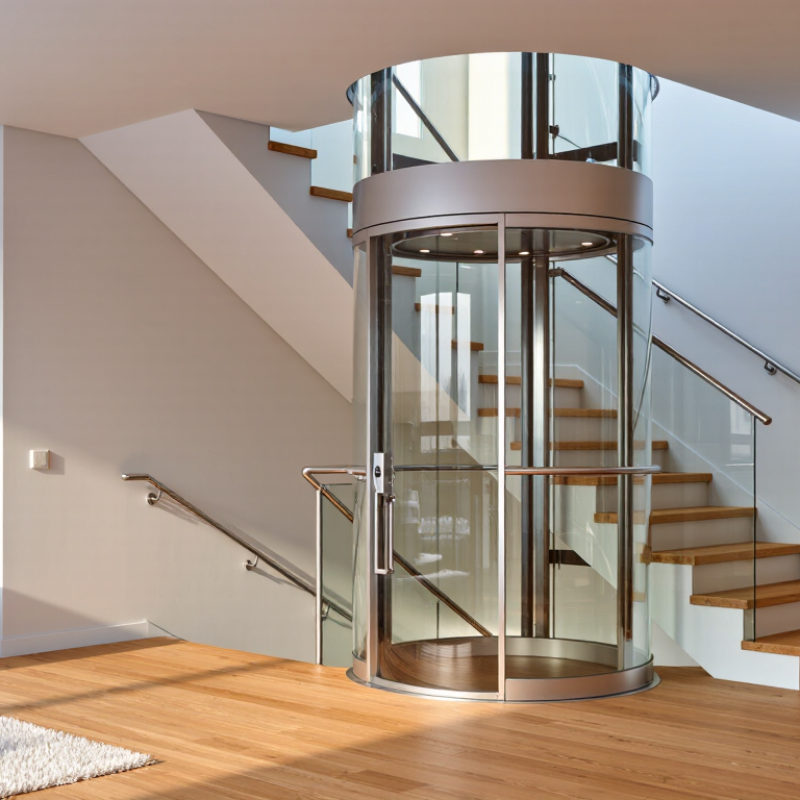
A vacuum elevator moves through pressure differences, not cables and counterweights. Its cabin travels inside a sealed cylindrical shaft. An electric pump removes air above the cabin, creating lower pressure. Higher pressure below then pushes the cabin upward. For descent, controlled valves equalize pressure gradually. Gravity completes the movement.
Seals around the cabin and landing doors are essential. Small leaks can increase pump operation and reduce efficiency. Sensors monitor pressure, cabin position, speed, and door status. Modern control systems can stop movement when readings become abnormal. The design usually needs less structural space than a conventional lift. However, “less space” does not mean “less engineering.”
The U.S. Department of Energy reports that elevators and escalators may use 2–10% of a commercial building’s energy. A vacuum system can reduce some mechanical losses, especially in low-rise homes. Yet pump electricity, standby controls, sealing quality, and travel frequency still affect results. The International Energy Agency reports that buildings consume about 30% of global final energy, making efficient equipment relevant beyond individual projects. This is where my first assumption was wrong: fewer moving parts do not remove maintenance. Filters, seals, sensors, and emergency systems still require inspection. Installation should follow applicable lift regulations and standards, including pressure-vessel and electrical safety requirements.
| Comparison Dimension | Vacuum Elevator | Traditional Elevator | Practical Meaning |
|---|---|---|---|
| How it works | A pneumatic system creates a pressure difference above and below the car. Air turbines or vacuum pumps control the pressure to move the car up or down inside a sealed cylindrical cabin. | A traction elevator uses an electric motor, ropes, sheaves, and counterweights. A hydraulic elevator uses a pump and piston to move the car. | Vacuum technology moves the car through air-pressure control rather than conventional cables or hydraulic pistons. |
| Typical travel speed | Approximately 0.15–0.30 m/s for many residential models. | Residential and commercial systems commonly range from approximately 0.3–2.5 m/s, depending on elevator type and building requirements. | Vacuum elevators prioritize compact installation and simplicity over high-speed transportation. |
| Common capacity | Often designed for approximately 1–3 passengers, with capacity commonly around 150–250 kg, depending on the model. | Passenger elevators commonly range from approximately 320 kg to more than 2,000 kg. | Vacuum systems are generally better suited to private homes and light-duty use than to high-traffic buildings. |
| Building height | Usually suitable for low-rise applications, commonly serving two to four floors, subject to local regulations and product specifications. | Suitable for low-, mid-, and high-rise buildings when the elevator is designed for the required travel distance. | Traditional systems offer greater flexibility for tall buildings and frequent service. |
| Space requirements | Many models use a self-supporting cylindrical enclosure and do not require a conventional masonry shaft. | Usually requires a dedicated shaft, guide rails, doors, and space for machinery or related equipment. | Vacuum designs can be easier to integrate into an existing home where structural alterations are limited. |
| Pit and overhead space | Many residential installations require little or no deep pit and may need less overhead space, depending on the design. | Conventional installations often require a pit and overhead clearance, although compact or pitless designs are available. | The final requirement must be confirmed by a site survey and local building code. |
| Energy use | Typically uses electricity mainly during upward travel; descent can be controlled by releasing or balancing air pressure. | Traction systems use motor power for movement and may recover energy through regenerative drives. Hydraulic systems use pump power during upward travel. | Actual consumption depends on trips per day, load, travel height, controls, and equipment efficiency. |
| Installation complexity | Generally uses modular components and can be installed with fewer major structural modifications in suitable low-rise buildings. | Often involves shaft construction, structural preparation, electrical work, door installation, and commissioning. | Vacuum elevators may reduce construction work, but they still require professional installation and inspection. |
| Maintenance focus | Routine checks typically include seals, turbines or pumps, door systems, sensors, filters, and emergency controls. | Maintenance commonly includes ropes, sheaves, guide rails, brakes, door operators, hydraulic components, and safety devices. | Both types require scheduled maintenance by qualified technicians. |
| Noise and ride experience | Air movement and turbines can produce an audible operating sound; acceleration is generally moderate because of the lower speed. | Modern traction systems can provide a quiet, smooth ride, while ride quality varies with equipment, adjustment, and maintenance. | Noise should be evaluated at the planned installation location rather than assumed from elevator type alone. |
| Emergency operation | Designed safety systems can lower the car during a power failure by controlling air pressure, with battery-backed communication and lighting where required. | Emergency systems may include brakes, alarm communication, emergency lighting, battery lowering, and manual rescue procedures. | Emergency features vary by design and must comply with the applicable elevator safety code. |
| Best-fit application | Private residences, duplexes, villas, retrofits, and low-rise buildings where space and structural work are limited. | Apartment buildings, offices, hotels, hospitals, public facilities, warehouses, and high-traffic applications. | The best choice depends on travel height, passenger volume, accessibility needs, budget, and local regulations. |
| Main advantage | Compact construction, reduced structural preparation, and a clear panoramic cabin design. | Higher capacity, faster travel, greater travel height, and suitability for intensive daily use. | Choose a vacuum elevator for low-rise residential convenience; choose a traditional elevator for demanding commercial or high-rise service. |
Note: Performance figures are typical industry ranges for residential and general passenger systems. Exact capacity, speed, dimensions, energy consumption, installation requirements, and safety provisions vary by model, building conditions, and local regulations.
A pump removes air above the cabin. Higher pressure below pushes it upward. During descent, valves release air gradually. Gravity helps complete the movement.
The pump may run more often. Energy use can increase. Seals should be inspected carefully, especially around doors and the cylindrical shaft.
It may reduce some mechanical losses during ascent. However, pumps, standby controls, and frequent trips still consume electricity. Less machinery does not guarantee lower bills.
No. It can suit compact homes with limited construction space. Large households may need bigger cabins, higher capacity, or more frequent operation.
Measure doorways, landing space, turning areas, and floor openings. Check whether a wheelchair, stroller, or grocery cart fits comfortably. Small doors can become frustrating later.
Ask about pressure sensors, door protection, emergency lowering, ventilation, and backup power. The system should stop when pressure, speed, or position readings become abnormal. Do not guess.
Yes. Technicians should inspect seals, filters, pumps, sensors, controls, and emergency systems. Request service intervals in writing. I once assumed fewer moving parts meant less maintenance. That assumption was wrong.
It can be quieter, but installation quality matters. Pump noise may still be noticeable near the shaft. Listen to a working unit before deciding.
Compare installation, electrical work, flooring changes, access improvements, servicing, and operating costs. The purchase price alone can mislead. A careful comparison takes longer. It is worth doing.
Vacuum elevators operate by using air pressure to move a cabin vertically inside a transparent shaft, eliminating the need for traditional cables, counterweights, and a large machine room. Compared with conventional elevators, they generally have a simpler structure, require less building space, and can often be installed with fewer major modifications. Their clear design, smooth movement, and relatively efficient operation make them an appealing option for homes, renovations, and low-rise properties.
However, vacuum elevators also have limitations, including capacity, travel height, noise during operation, and specific shaft or floor requirements. Installation may require suitable ceiling clearance, electrical access, and professional structural assessment. To understand why choose a vacuum elevator over a traditional one, property owners should compare available space, building layout, passenger needs, budget, appearance preferences, and long-term maintenance expectations. The best choice depends on whether compact installation and modern design are more important than higher capacity and extensive travel range.

 Keg Lift