In emergencies, knowing how to rescue someone stuck in a home lift is crucial. According to lift safety expert John Stevens, “Don’t panic; assess the situation first.” His advice highlights the importance of a calm approach.
Home lifts can malfunction unexpectedly. People trapped inside can feel frightened and anxious. The weight of the situation may seem overwhelming. This is why understanding the emergency protocols is essential. Quick thinking can lead to safer outcomes.
While some may think it's easy to just open the doors, this isn't always correct. Improper actions can worsen the situation. Check to see if emergency services are needed. Always prioritize safety over speed. Plan ahead and educate yourself on proper rescue techniques. Implementing these steps can save precious time and ensure everyone’s safety.
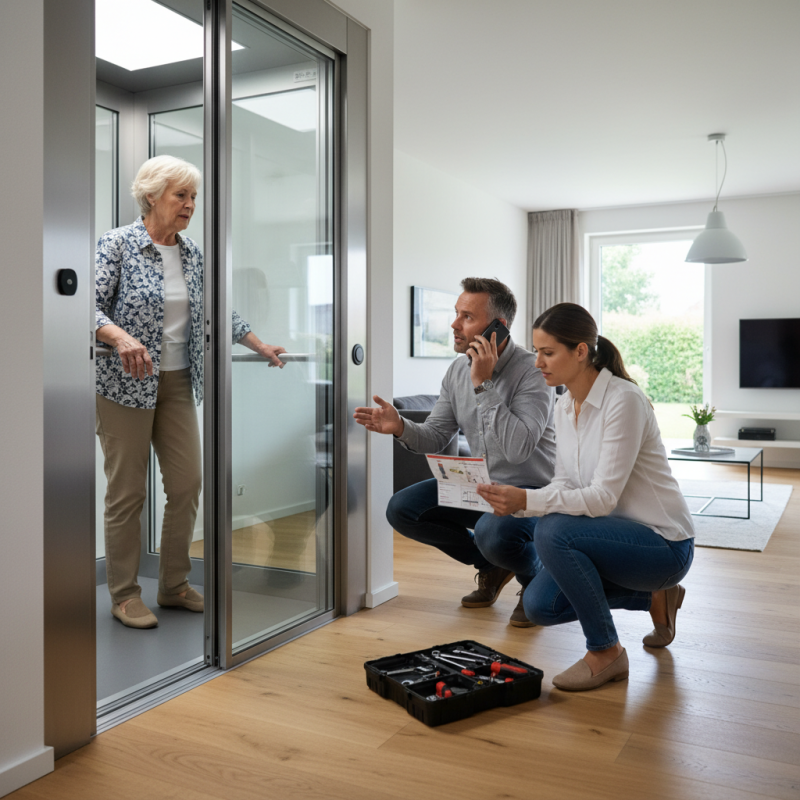
When a person is trapped in a home lift, several risks emerge. Panic can lead to dangerous decisions. The trapped individual may try to escape on their own, which can worsen the situation. Limited oxygen supply and rising temperatures add to the urgency. Understanding these risks is crucial for effective assistance.
Assessing the situation is the first step. Always check the lift doors for safety. If the doors are open, ensure the area is clear before attempting to help. If the doors are closed, avoid forcing them open. This could lead to injury. Instead, call emergency services. Trained professionals can safely manage these incidents. Their expertise minimizes further risks.
Maintain communication with the trapped person. Reassure them while waiting for help. Use calm words and avoid alarmist language. Encourage them to stay calm. However, it’s common to feel uncertain in these situations. Reflecting on your own emotions can help in providing support. Each incident teaches valuable lessons on safety and preparedness.
Assessing the situation before rescuing someone stuck in a home lift is crucial.
According to the National Elevator Industry, Inc.,
there are over 18,000 incidents of elevator entrapment annually.
These situations can quickly escalate, leading to anxiety or injury. Calmly approach the lift
and check for any visible damage or unusual sounds. Understanding the environment is
vital for a safe rescue.
A survey by the Bureau of Labor Statistics
highlights that nearly 40% of lift accidents
occur due to improper handling. If the lift has stopped between floors,
ensure the person inside is stable. Communication is key.
Talk to the trapped individual, assessing their condition and emotional state.
If they seem anxious or panicked, provide reassurance. This is often overlooked
but plays a crucial role in rescue scenarios.
Always remember to have a backup plan. Know the location of emergency buttons or
call for professional assistance if needed. More often than not, the situation might
appear straightforward, but lacking proper assessment can lead to further
complications. By staying observant and prepared, rescuing someone can be
carried out more effectively and safely.
When someone is stuck in a home lift, effective communication is crucial. Begin by identifying yourself. A
calm tone can make a significant difference. The stuck individual may feel panicked or
anxious. Speak slowly and clearly. This helps to alleviate their fears.
According to a report by the National Elevator Industry, about 30 people
are trapped in elevators every week in the U.S. Here are some tips to help with communication. Ask them if they are
hurt. Listen carefully to their responses. Do not assume they know the elevator’s situation. Share information, such as
how help is on the way.
Maintain a reassuring presence. Let them know they are not alone. It is essential that you remain calm. A strong voice
can convey confidence. If you notice they are becoming agitated, acknowledge their feelings. Avoid saying,
“It will be fine,” unless you are sure of it. Sometimes, this can come off as dismissive. Focus on tangible
details to keep them engaged.
Check the communication method too. If you have the ability to use a phone, do so. Offer to relay messages to emergency
services. This can help validate their feelings of entrapment. Clear communication can prevent confusion during an
emergency. Stay patient and attentive; it can make all the difference.
In situations where someone is trapped in a home lift, powering down the lift safely is crucial before any rescue efforts. Firstly, locate the lift’s main power switch. This is often found near the control panel or in the utility room. Turning off the power ensures the lift won’t move unexpectedly, which can pose serious risks to those inside.
Tips: Always check for signs of distress from the person trapped. Listen for any sounds and try to communicate if safe to do so. This can provide reassurance and give you valuable information on the situation.
Next, after ensuring the lift’s power is off, proceed to the emergency release mechanism. Most lifts have a manual release that allows the doors to open. Use a flashlight to illuminate the area if it is dark. This not only helps you see but also signals to the person that help is on the way.
Tips: Stay calm and speak clearly. Let the person know you're there to help. This calm approach can reduce their anxiety, making the situation more manageable. Lastly, be prepared for possible complications. Not every rescue goes as planned, so think of alternative options as you proceed.
| Step | Description | Safety Tips | Estimated Time |
|---|---|---|---|
| 1 | Assess the situation and ensure safety. | Ensure no electrical hazards; check if the person is okay. | 1-2 minutes |
| 2 | Notify emergency services. | Call for professional assistance; do not attempt to open the lift. | 3-5 minutes |
| 3 | Power down the lift safely. | Locate the main power switch and turn it off; ensure it is safe to do so. | 2-3 minutes |
| 4 | Open the lift doors manually if safe. | Use the manual release if available; proceed with caution. | 4-6 minutes |
| 5 | Assist the person out of the lift. | Ensure the person is stable; help them exit carefully. | 2-5 minutes |
When someone is stuck in a home lift, your first response can make a significant difference.
Stay calm. It's essential to assess the situation before acting.
Check if the lift is in a secure condition. Avoid opening doors abruptly, as this might worsen the situation or cause injuries.
Communicate with the person inside. Reassuring them is vital; let's prevent panic together. Ask if they are okay and encourage them to stay calm.
If it's safe, attempt to open the lift doors gently. Use a trusty screwdriver or flat tool, but be cautious.
Only open them if the lift is not in motion. You might also call for professional help if the doors won't budge.
Trust the experts to handle delicate situations.
Listen for sounds from the individual. They may have vital information about their condition, ensuring they're safe until you can assist further.
While waiting for help, keep the person engaged. Talk to them about their day or what they see.
This simple interaction can ease their anxiety.
Remember, safety is paramount. If you feel uncertain, don’t hesitate to call emergency services.
It’s okay to ask for help. Sometimes, even the best intentions can lead to mistakes, but remaining composed and focused improves safety for everyone involved.
: Assess the situation by checking the lift doors. Ensure they are safe to approach if open.
No, avoid forcing the doors open. This action may lead to injury or worsen the situation.
Identify yourself and speak slowly. Maintain a calm tone to reassure the individual during the emergency.
Acknowledge their feelings. Encourage calmness and maintain clear communication to help ease their anxiety.
Yes, listening is vital. They might share information about their condition and needs while trapped.
Only attempt to open the doors if it's safe. If in doubt, call for professional assistance immediately.
Talk to them about everyday topics. This can distract and comfort them during a stressful time.
Stay patient and attentive. If needed, use a phone if available to relay messages to others.
Avoid saying "It will be fine" unless you are sure. Focus on honest communication to prevent confusion.
Each incident offers lessons on safety and preparedness. Reflect on your responses to improve future actions.
In emergency situations involving a home lift, knowing how to rescue someone stuck in a home lift safely is crucial. First, it's important to understand the risks involved, such as potential mechanical failures or the stress experienced by the individual trapped inside. Assessing the situation is vital—gather information about the malfunction and the condition of the person inside before attempting any rescue.
Effective communication with the stuck individual can help alleviate anxiety and gather useful information. Once the situation is assessed, learn how to power down the lift safely to prevent further complications during the rescue. Finally, follow best practices for assisting the individual to exit the lift, ensuring their safety and comfort throughout the process. Following these steps can lead to a successful and safe rescue when faced with a home lift emergency.

Keg Lift