A home lift can stop between floors without warning. The cabin may feel cramped, the lights may flicker, and a passenger may become frightened. In that moment, a calm response matters more than a quick one. This guide explains how to rescue someone stuck in a home lift safely, while keeping both the passenger and helpers out of unnecessary danger.
Start by speaking through the doors or using the lift’s alarm or intercom. Ask whether anyone is injured, having difficulty breathing, or facing another urgent medical problem. Keep them informed, and tell them not to climb out or force the doors. Even when the lift appears close to a floor, its position and movement can be difficult to judge. A sudden shift could cause serious injury. Don’t improvise.
Contact the lift service provider or the building’s designated maintenance team, and follow their instructions. If someone is in immediate danger, call the local emergency services. Only trained, authorized personnel should carry out a technical release or move the lift. Keep children and bystanders away from the landing doors, and avoid pulling, levering, or striking them. Small actions can create bigger risks.
This advice is deliberately cautious. A lift’s design, controls, and emergency procedures vary, so a method that worked elsewhere may be wrong for your model. Check the manufacturer’s guidance and keep the service number near the lift. After the passenger is released, arrange an inspection before returning the lift to use. A calm voice helps. So does knowing when to wait for trained help.
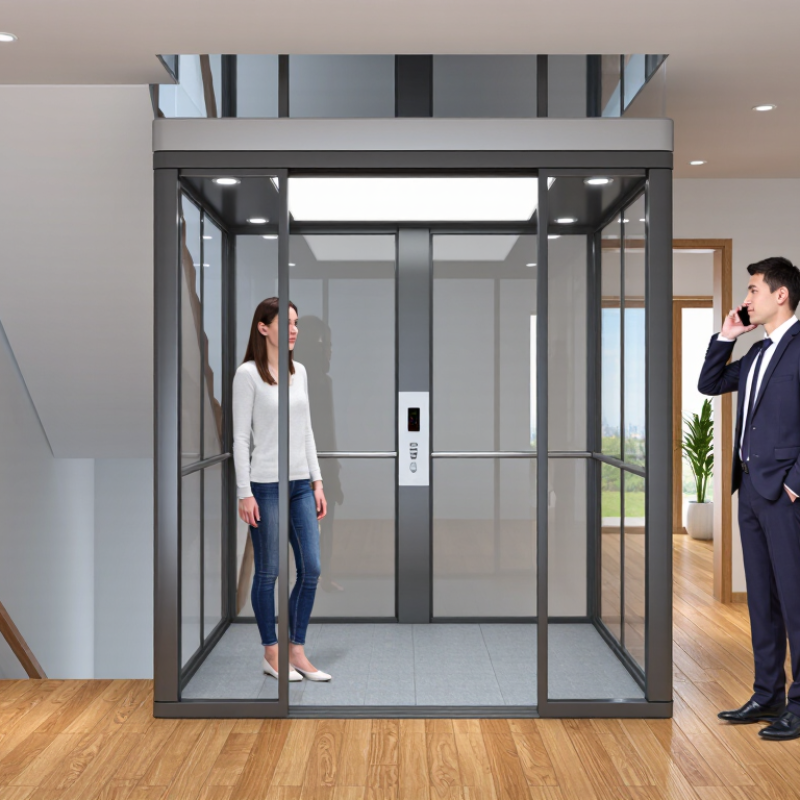
When someone is stuck in a home lift, speak calmly through the door or intercom. Ask their name, how they feel, and whether anyone else is inside. Listen for coughing, confusion, unusual silence, or distress. Check whether the cabin feels very hot, smells smoky, or has water entering it. Small details count.
If the person is unconscious, struggling to breathe, bleeding heavily, or reporting chest pain, call local emergency services immediately. Tell the dispatcher the lift’s location and what you observed. Do not force the doors or enter the shaft; sudden movement could cause a serious fall or injury. If there is no immediate medical danger, contact the lift service provider or building manager and stay nearby. Reassure the trapped person, and ask them to sit away from the doors while help is arranged. I might be tempted to solve it quickly, but waiting for trained help is safer.
Tips: Keep questions short. Ask the person to conserve phone battery and avoid trying to climb out. Note the time, symptoms, and any change in the cabin’s condition; share these details with responders. If communication stops, update emergency services rather than assuming everything is fine.
Assess the situation and check for immediate medical danger.
The numbers show checklist order, not elapsed time or measured statistics. Ask the person about symptoms and look for signs of urgent medical distress. Call emergency services if there is immediate danger. Keep the person calm, do not force the lift doors, and contact a qualified lift service or responder.
If someone is trapped in a home lift, call the lift’s emergency line or the rescue provider listed near the controls. Give the exact address, lift location, number of passengers, and any known medical concerns. If anyone has chest pain, breathing difficulty, an injury, or severe distress, contact emergency services immediately. Unsure how serious it is? Call emergency services. Stay on the line and follow the dispatcher’s instructions.
Use the lift’s alarm or intercom, then reassure the passenger through the door. Ask them to stay away from the doors and not climb out if a gap appears. Do not force the doors, use tools, or try to move the lift. A seemingly small level difference can still create a dangerous fall. Keep the hallway clear so trained responders can reach the lift.
The National Elevator Industry, Inc. reports that roughly 900,000 elevators in the United States carry about 18 billion passenger trips each year. That industry-scale figure is a reminder that safe rescue depends on established procedures, not improvisation. When speaking with the provider, mention unusual sounds, a stopped position between floors, smoke, or a loss of power. One detail is easy to miss: keep a phone available for callbacks, and avoid promising an exact rescue time. Natural, calm updates help.
A person trapped in a home lift may feel frightened, even if the cabin is safe. Speak calmly through the door or call button. Say your name, explain that help is being arranged, and ask whether anyone feels unwell. Keep your voice steady. A simple, honest update is better than a promise you cannot keep.
Tips: Check in every few minutes, even when nothing has changed. Tell the person what you know: for example, “The lift has stopped between floors, and trained help is on the way.” Ask them to stay away from the doors and not to force them open or climb out. If they report chest pain, trouble breathing, or another urgent symptom, contact emergency services and relay the details clearly.
Give a realistic update when there is one, and admit when you do not know the timing. Silence can make the wait feel longer. Avoid guessing or blaming the equipment; focus on the person’s immediate comfort. If possible, ask them to sit, breathe slowly, and keep their phone available. Even careful reassurance may not remove their fear, but staying present can help.
If someone is trapped in a home lift, stay calm and keep everyone clear of the doors. Do not pull them open, wedge them apart, or reach into the gap. The lift may move without warning, and a small opening can become dangerous quickly.
Ask the passenger to step away from the doors and stand still if they can. Speak through the door or use the lift’s alarm or intercom. Tell them help is being contacted. Keep children and pets back, too.
Call the lift’s emergency contact or a qualified lift technician. If the passenger is injured, struggling to breathe, or in immediate danger, contact local emergency services. Give the exact address and explain that the lift has stopped between floors, if known.
Do not try to move the lift, operate hidden controls, or use a ladder to reach the passenger. Wait for trained responders and follow their instructions.
The wait can feel long. Keep talking calmly, but avoid promising a precise arrival time; you may not know. I would resist the urge to “just check” the doors, even if the gap looks wide enough. That instinct is understandable, but it can make a safe situation worse.
If someone is trapped in a home lift, keep your voice calm and stay nearby. Ask whether they are injured, short of breath, or feeling unwell. Tell them not to force the doors or climb out. A gap can look manageable, but the lift may move unexpectedly. Keep children and bystanders away from the entrance.
Contact the lift service provider or emergency responders and explain what you know: the lift’s location, its position between floors, and the passenger’s condition. Follow the responder’s instructions. Do not pry open the doors, enter the shaft, or attempt a manual release unless you are trained and authorized to do so. These details matter. A trained responder can isolate the power, secure the lift against movement, and release the passenger using the correct procedure.
Wait for help in a safe, visible place, and keep communicating with the passenger. If their condition worsens, tell emergency services immediately. Once they are out, encourage them to sit and seek medical assessment if they feel hurt or shaken. Even a short entrapment can leave someone distressed; it is easy to underestimate that.
Stay calm, keep everyone away from the doors, and contact the lift service provider or emergency responders.
No. Do not pry, wedge, or pull them open. The lift could move unexpectedly, even if the gap looks small.
Ask them to step away from the doors and stay still. Reassure them that help is being contacted.
Call if the passenger is injured, short of breath, feeling unwell, or in immediate danger.
Give the exact address, the lift’s location, its position between floors if known, and the passenger’s condition.
No. Do not use a ladder, operate hidden controls, enter the shaft, or attempt a manual release unless trained and authorized.
Wait somewhere safe and visible. Keep talking calmly, check whether the passenger feels unwell, and report any worsening condition.
Encourage them to sit and seek medical assessment if they feel hurt or shaken. A short entrapment can still be distressing.
If you need to know how to rescue someone stuck in a home lift, begin by checking whether the person is responsive and whether they report an urgent medical problem. If there is immediate danger, contact emergency services. Otherwise, call the lift’s rescue provider or a qualified technician and explain what has happened, including the person’s condition and the lift’s location.
Speak calmly with the trapped passenger, reassure them that help is on the way, and keep them updated. Ask them to stay inside the lift and avoid trying to climb out. Keep others clear of the lift, and do not force the doors or attempt to operate the equipment yourself. A lift can move unexpectedly, so wait for trained responders to assess the situation and release the passenger safely. After the rescue, seek medical attention if the person feels unwell or has been injured.

Keg Lift