How to Choose the Best Home Elevator for Elderly Safety?

Time:2026-07-14 Author:Sienna
0%

When considering how to choose a home elevator for elderly safety, it's vital to balance functionality and comfort. Aging can bring mobility challenges, making a reliable home elevator essential. An elevator should provide easy access between floors, ensuring independence for seniors.

Safety features are crucial in this decision. Look for elevators with emergency brakes, smooth operation, and clear control panels. Pay attention to the size and design. It should fit comfortably in your home without being intrusive. Additionally, consider the installation process. A professional assessment will ensure it meets safety standards and local regulations.

Reflect on your specific needs. Are there unique mobility issues to address? Installation can be costly, and not every elevator suits every home. Take your time researching options. Evaluate user reviews and seek expert advice. This careful consideration will lead you to make the right choice for your loved ones.
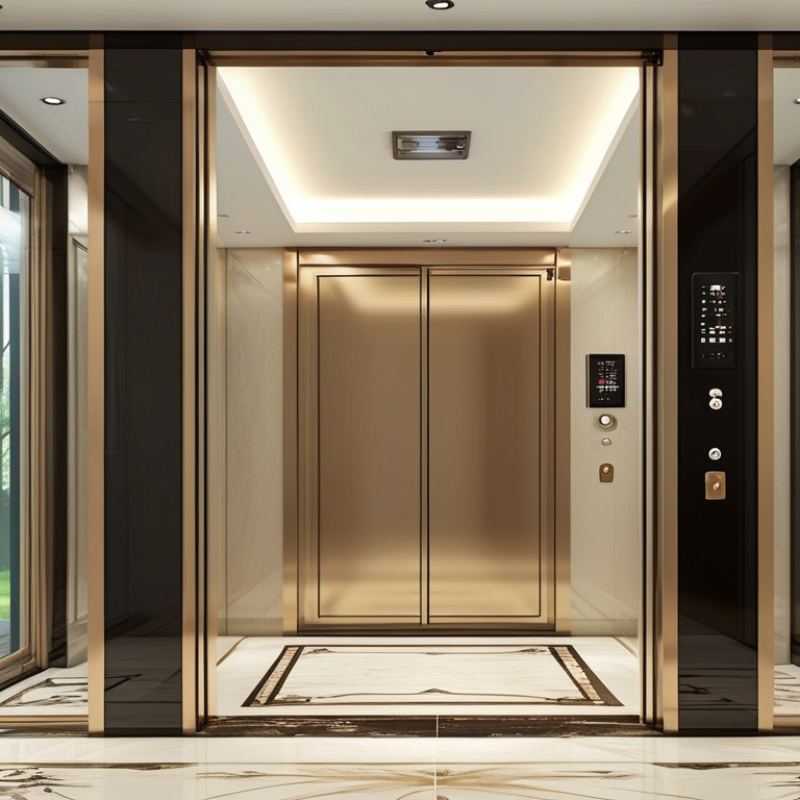
How to Choose the Best Home Elevator for Elderly Safety?

Understanding the Importance of Home Elevators for Elderly Safety

Home elevators play a crucial role in ensuring the safety and independence of elderly individuals. As mobility declines with age, stairs can become a significant hazard. A home elevator provides a safe way to navigate between floors. This reduces the risk of falls and injuries. When choosing an elevator, consider the space available and the specific needs of the elderly resident.

Tips for selection include assessing the elevator's weight capacity. Ensure it comfortably handles any mobility devices. Furthermore, prioritize user-friendly controls. Features like simple buttons can make operation easier for seniors. Also, in-home installations should comply with safety standards to avoid accidents. Look for additional safety features, like emergency stop buttons.

Safety isn't just about the elevator itself. It's important to think about the surrounding environment. Ensure the pathway to the elevator is well-lit and free of obstacles. Regular maintenance is vital. An elevator in poor condition can create more risks than it solves. Engage professionals for regular checks and repairs. Your focus should always be on creating a secure and accessible living space.

Key Features to Look for in Elderly-Friendly Home Elevators

When choosing a home elevator for elderly safety, certain features are crucial. A smooth ride with minimal jolting is essential. Look for elevators with advanced shock absorption technology. This helps to provide a comfortable experience, reducing anxiety for elderly users. According to the National Safety Council, falls are a leading cause of injury among seniors. A reliable elevator can greatly reduce this risk.

Safety features should not be overlooked. Ensure the elevator has safety sensors that can detect obstructions. This prevents accidents when someone is entering or exiting. It's also beneficial if there are emergency communication systems in place. These systems can provide peace of mind for both users and caregivers.

Tips: Consider the installation of a backup power supply. This ensures the elevator remains operable during power outages. Familiarize users with the controls and features to enhance their confidence. Regular maintenance checks are vital to keep the elevator functioning well. They help identify potential problems before they become serious.

Evaluating Different Types of Home Elevators for Accessibility

Choosing the right home elevator for elderly safety involves careful consideration of various types. Accessibility is a key factor. According to the National Home Elevators Association, nearly 90% of falls occur at home. Elevators can significantly reduce this risk.

There are several types of home elevators, including hydraulic, pneumatic, and screw-driven models. Hydraulic elevators are the most common. They can carry heavier loads and are reliable. However, installation can be complex. Pneumatic elevators, on the other hand, are simpler and require less space. They have limited weight capacity, which may not suit everyone. Therefore, understanding individual needs is crucial.

Home modifications can be costly. The average installation cost ranges from $20,000 to $40,000. This often excludes maintenance. Regular checks are essential for safety. Accessibility should also consider emergency features. A well-designed elevator can enhance mobility but may also present challenges. Addressing these aspects early can lead to better long-term outcomes.

Home Elevator Types and Their Accessibility Features

Assessing Installation Requirements and Space Considerations

When considering a home elevator for elderly safety, assessing installation requirements and space is crucial. Begin by evaluating the area where the elevator will be installed. Measure ceiling heights and door widths to ensure the elevator fits seamlessly into your home. This can prevent space-related issues later on. Make sure to account for surrounding furniture and decor that may obstruct installation.

Consider accessibility. An elevator should provide easy access between floors. Inspect hallways and stairs for adequate space. A poorly placed elevator can lead to many inconveniences. Ensure there’s enough room for the elevator to operate without hindrance.

Tips: Consult with professional installers to understand the requirements. This step can save time and money in the long run. Think about the elevator’s placement now. Proactive planning could mean fewer adjustments later.

Lastly, factor in power supply and ventilation. Elevators need both to function correctly. Evaluate whether your home’s electrical system supports the additional load. Keep in mind that older homes may require upgrades. This consideration ensures not just the elevator’s safety but the home's overall integrity too.

Budgeting and Maintenance Tips for Home Elevators for Seniors

Selecting the right home elevator for seniors involves careful budgeting and maintenance considerations. In a recent industry report, it was found that more than 80% of homeowners do not account for ongoing maintenance costs when purchasing an elevator. This decision can lead to unexpected expenses. Regular check-ups and timely repairs are essential for ensuring safety, with an estimated annual maintenance cost ranging from $300 to $600.

Moreover, initial costs can vary dramatically. On average, homeowners can expect to spend between $20,000 to $50,000 for a typical home elevator installation. This figure often excludes additional expenses such as electrical upgrades or structural modifications. Homeowners should prioritize a realistic budget that encompasses long-term upkeep, not just the installation phase. It’s also advised to consider features that minimize maintenance, such as self-cleaning systems or corrosion-resistant materials.

Maintenance frequency can be influenced by usage intensity. Elevators used daily require more frequent servicing. Some owners report facing challenges maintaining proper functioning if they rely solely on manufacturers’ guidelines instead of professional assessments. Quality and reliability are crucial. However, even premium models have their flaws, often leading users to rethink their choices after a few years. Investing in a dependable, budget-friendly elevator means balancing initial costs with future reliability and safety.

FAQS

: What essential feature should a home elevator have for elderly safety?

: A smooth ride with advanced shock absorption technology is crucial for comfort and reducing anxiety.

Why is safety important in home elevators for senior users?

Safety features like obstruction detection sensors prevent accidents during entry and exit, enhancing user security.

How can users feel more confident using a home elevator?

Familiarizing users with controls and features boosts their confidence and comfort when using the elevator.

What should be considered regarding power supply for elevators?

Installing a backup power supply ensures the elevator operates during outages, maintaining safety for users.

How can the installation process affect elevator functionality?

Evaluating space, ceiling heights, and surrounding furniture can prevent installation issues and improve overall functionality.

What types of home elevators are available?

Common types include hydraulic, pneumatic, and screw-driven models, each with different capacities and installation needs.

Why is regular maintenance important for home elevators?

Routine checks identify potential problems early, ensuring the elevator remains safe and functional for users.

What additional costs should be considered with home elevators?

Beyond installation costs, consider ongoing maintenance expenses, which are crucial for long-term safety.

What should be done before installing a home elevator?

Consulting professional installers helps understand requirements, saving time and possibly money in the installation process.

How can home modifications impact elderly accessibility?

Poorly placed elevators create inconveniences. Assessing space and positioning early can lead to better outcomes for accessibility.

Conclusion

Choosing a home elevator for elderly safety is an essential consideration for ensuring mobility and independence for seniors living in multi-story homes. Understanding the importance of these installations highlights how they can enhance quality of life by providing safe and easy access to all levels of the home. When determining how to choose a home elevator for elderly individuals, key features such as size, weight capacity, and safety mechanisms should be prioritized.

Additionally, evaluating different types of elevators for accessibility will help in identifying the best fit for individual needs. Consideration of installation requirements, space constraints, and overall budget is crucial, as well as maintenance needs to ensure long-term functionality. Ultimately, proper research and planning will lead to a more suitable choice in home elevators, enhancing safety and comfort for the elderly.

Sienna

Sienna

Sienna is a skilled marketing professional with a deep expertise in our company’s core products and services. With a passion for innovation and detail, she plays a pivotal role in crafting insightful blog posts that not only highlight the unique features of our offerings but also provide valuable......